
Table of Contents
- Why LinkedIn Thought Leadership Matters for SaaS Founders
- The Current State of LinkedIn for SaaS Leaders
- Building Your Foundation as a Thought Leader
- Content Strategies That Drive Results
- Engagement and Community Building
- Measuring Your Thought Leadership Impact
- Common Pitfalls to Avoid
- Scaling Your LinkedIn Presence
- FAQs
- Conclusion
Your personal brand on LinkedIn can become your most powerful growth engine as a SaaS founder. Decision-makers in 2026 check this platform first when they're hunting for the leaders who are actually moving software innovation forward.
Most founders I talk to face the same dilemma: they know they should build authentic thought leadership, but they're already juggling a thousand priorities. This guide solves that problem by showing you how to build genuine influence on LinkedIn without sacrificing the time you need to run your company.
Why LinkedIn Thought Leadership Matters for SaaS Founders
LinkedIn thought leadership goes way beyond posting product updates. When you become a trusted voice in your industry, doors open that traditional marketing can't even touch.
Here's what happens when you share valuable insights consistently: prospects start following you because they already respect what you know. These aren't cold leads—they're people who've been learning from you, which means they convert at rates that make cold outreach look ancient.
Your thought leadership also catches the eye of other founders, investors, and industry heavyweights. When you add real value to important conversations, the right people start paying attention.
The best part? Each post that hits home brings in new followers who'll engage with what you share next and spread it through their networks. It's a snowball effect that keeps growing.
The Current State of LinkedIn for SaaS Leaders
LinkedIn's algorithm has gotten smarter about distinguishing real engagement from vanity metrics. The platform rewards creators who generate actual conversations instead of just broadcasting company news.
SaaS founders who dominate LinkedIn today focus on sharing battle-tested insights, bold perspectives on industry changes, and practical advice their audience can implement immediately. They've abandoned the old promotional playbook in favor of content that genuinely serves their community.
These successful thought leaders understand exactly what keeps their audience up at night. They address the specific challenges that resonate with fellow founders, potential customers, and industry professionals.
Video content gets good traction, but written posts loaded with actionable insights tend to generate richer discussions. Authenticity and consistency beat polished production value every single time.
Building Your Foundation as a Thought Leader
Everything begins with your LinkedIn profile. Write a headline that immediately communicates your expertise and demonstrates how you're advancing your industry.
Your about section should weave together your personal story with what makes your SaaS perspective distinctive. Share your journey, key lessons, and the specific problems you're tackling—just ditch the corporate speak.
Choose a headshot that reflects your personality. People connect with genuine humans, not sterile corporate headshots. Aim for approachable yet professional.
Connect your company's mission to broader industry trends. Demonstrate how your startup addresses widespread challenges or catalyzes meaningful change.
Content Strategies That Drive Results
Effective LinkedIn content addresses specific challenges your audience faces daily. Share frameworks, processes, or insights people can implement right away.
Behind-the-scenes content resonates powerfully. Discuss current challenges, difficult decisions, or lessons you're learning while building your company.
Industry commentary demonstrates your market understanding. Share your perspective on trends, news, or shifts impacting the SaaS landscape.
Share personal stories that connect to business insights. Your failures, breakthrough moments, and defining experiences help others see themselves in your journey.
Posts backed by data build credibility fast. When you share metrics, research findings, or analysis, you're proving your expertise while delivering concrete value to your network.
Engagement and Community Building
True thought leadership involves participating in conversations, not just broadcasting your ideas. Respond meaningfully to comments on your posts and contribute valuable insights to what others are sharing.
Ask genuine questions about your audience's experiences at the end of your posts. This approach consistently drives the most valuable discussions.
Amplify other founders and industry voices when their content benefits your audience. Share their insights and contribute your own perspective to existing conversations.
Develop content series your audience anticipates. Whether it's weekly insights, monthly updates, or themed discussions, give people regular reasons to engage with your content.
Participate in LinkedIn Live sessions and industry discussions. Real-time engagement showcases your expertise while deepening network relationships.
Measuring Your Thought Leadership Impact
Track engagement rates rather than follower counts. Comments, shares, and meaningful discussions indicate your content is resonating.
Evaluate the caliber of new connections you're attracting. Effective thought leadership draws relevant prospects, potential partners, and industry peers—not random followers.
Monitor the direct messages and opportunities your LinkedIn presence creates. Speaking invitations, partnership discussions, and sales conversations frequently originate from your thought leadership efforts.
Watch for mentions of your brand in other contexts. Strong LinkedIn thought leadership often translates into industry publication features, podcast invitations, and event speaking opportunities.
Common Pitfalls to Avoid
Many founders get trapped in promotional mode. Lead with value first—only reference your company when it genuinely enhances the conversation.
Inconsistent posting destroys thought leadership momentum. Create a realistic content schedule you can maintain instead of posting randomly when you remember.
Copying other successful founders usually backfires. Your unique perspective and experiences are what make your thought leadership valuable. Being authentic always beats being a copycat.
Ignoring your audience's feedback limits your growth. Pay attention to which topics generate the most engagement and adjust your content strategy accordingly.
Expecting immediate results leads to disappointment. Thought leadership builds over months and years, not weeks. Patience and persistence are essential.
Scaling Your LinkedIn Presence
As your thought leadership grows, you'll need systems to manage increased engagement and opportunities. Consider tools that help you schedule content and track conversations.
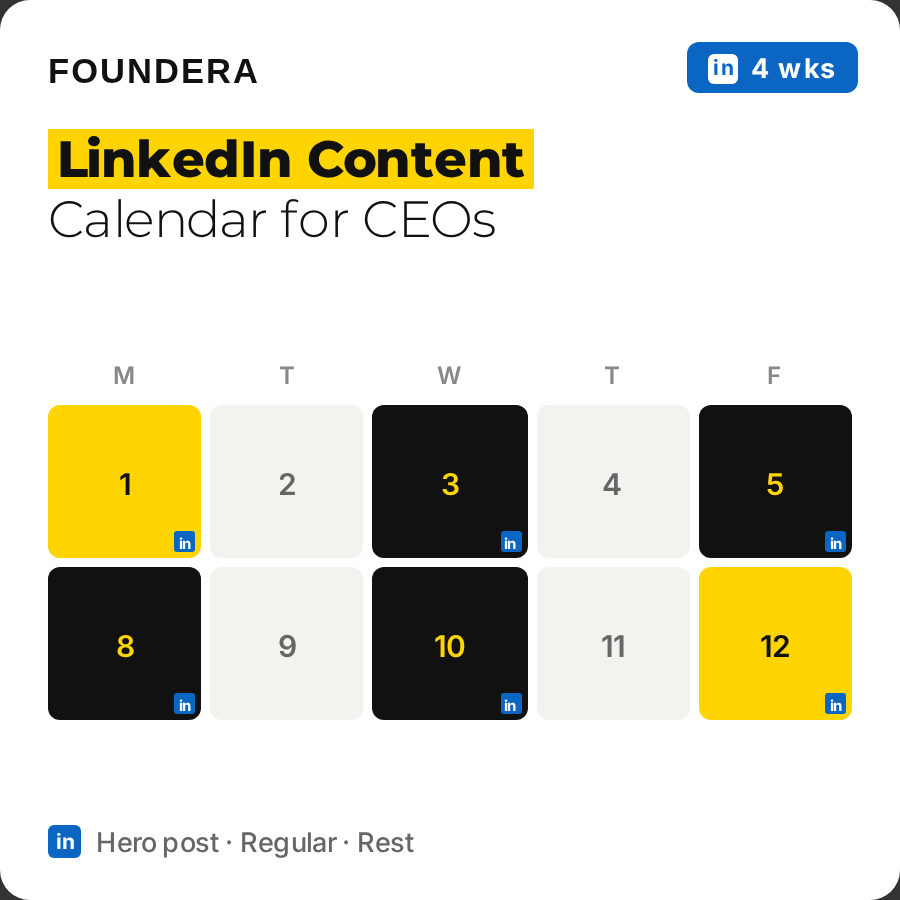
A content calendar ensures consistent posting while allowing you to plan around product launches, industry events, and seasonal trends.
Repurpose your best-performing content across different formats. Turn popular posts into longer articles, video content, or presentation materials for speaking engagements.
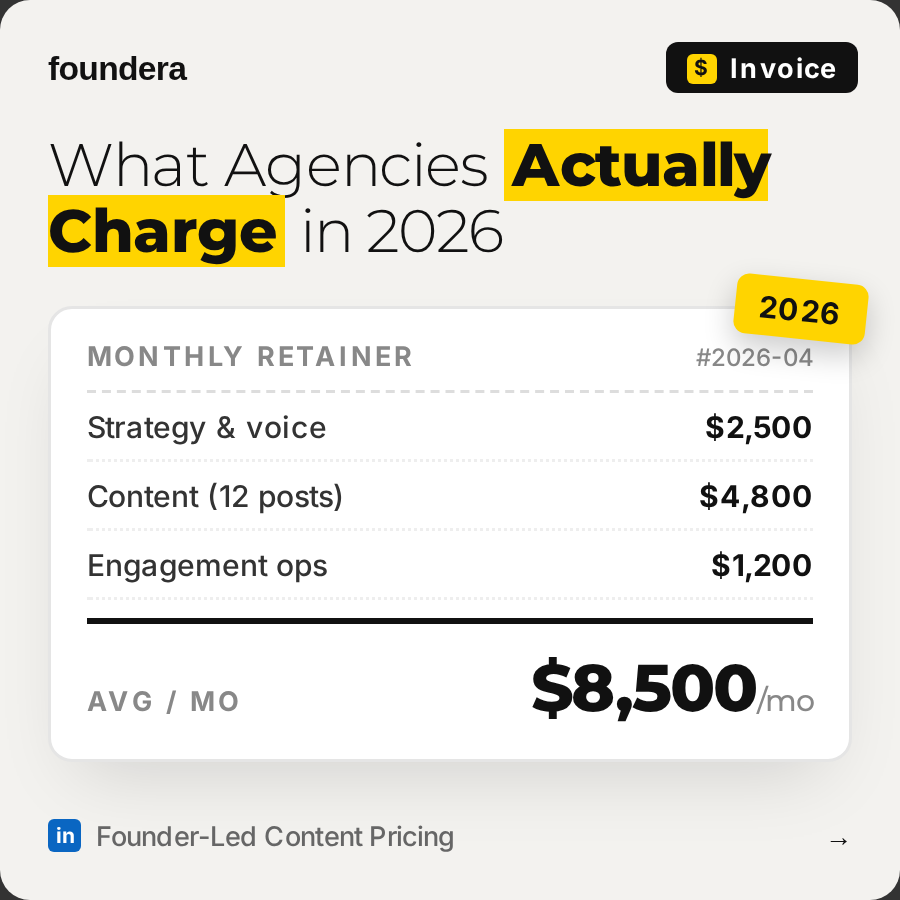
Consider working with specialists who understand LinkedIn thought leadership. Services like Foundera can help you maintain consistent, high-quality content while you focus on running your business.
Collaborate with other thought leaders in your space. Guest posts, joint discussions, and cross-promotion can expand your reach while providing fresh perspectives for your audience.
FAQs
How often should SaaS founders post on LinkedIn for thought leadership?
Aim for 2-3 high-quality posts per week. Consistency matters more than frequency. Better to post twice weekly with valuable content than daily with mediocre posts.
What topics work best for SaaS founder thought leadership?
Stick to industry trends, lessons from building your company, customer insights, team management, and solving common market problems. Stay away from overly promotional content.
How long does it take to build thought leadership on LinkedIn?
Plan on 6-12 months of consistent posting and engagement before you see major results. Thought leadership is a long game that builds momentum over time.
Should I share company metrics and sensitive information?
Share insights and lessons at a high level without giving away competitive advantages or sensitive data. Focus on learnings that help others while protecting your business.
How do I handle negative comments or criticism on my posts?
Respond professionally and constructively. Address valid concerns openly and use criticism as an opportunity to demonstrate your leadership and problem-solving approach.
Can I build thought leadership while maintaining company privacy?
Absolutely. Focus on industry insights, general business lessons, and your perspective on market trends. You don't need to share internal details to provide valuable thought leadership content.
What's the difference between personal branding and thought leadership?
Personal branding is about recognition and visibility. Thought leadership involves contributing valuable insights that influence industry conversations and help others solve problems.
Conclusion
LinkedIn thought leadership offers SaaS founders an unmatched opportunity to build credibility, attract quality prospects, and create lasting business relationships. Success requires authentic content, consistent engagement, and patience to see results develop over time.
The founders who win on LinkedIn in 2026 provide genuine value to their audience while sharing unique perspectives on industry challenges and opportunities. Start building your thought leadership presence today, and watch it become one of your most valuable business assets.
Learn more at foundera.co.
Related reading
For SaaS founders building category authority on LinkedIn, these go deeper:
- LinkedIn Content for SaaS Founders 2026 — the complete playbook tailored for B2B SaaS
- LinkedIn Thought Leadership for Tech CEOs — cybersecurity, AI, DevOps founders — adjacent verticals
- ROI of LinkedIn Thought Leadership for B2B SaaS — real attribution math from 50+ accounts
- Executive LinkedIn Content Strategy for 2026 — the senior-leader playbook
- LinkedIn Thought Leadership for Founders (2026) — 50+ examples and the underlying frameworks